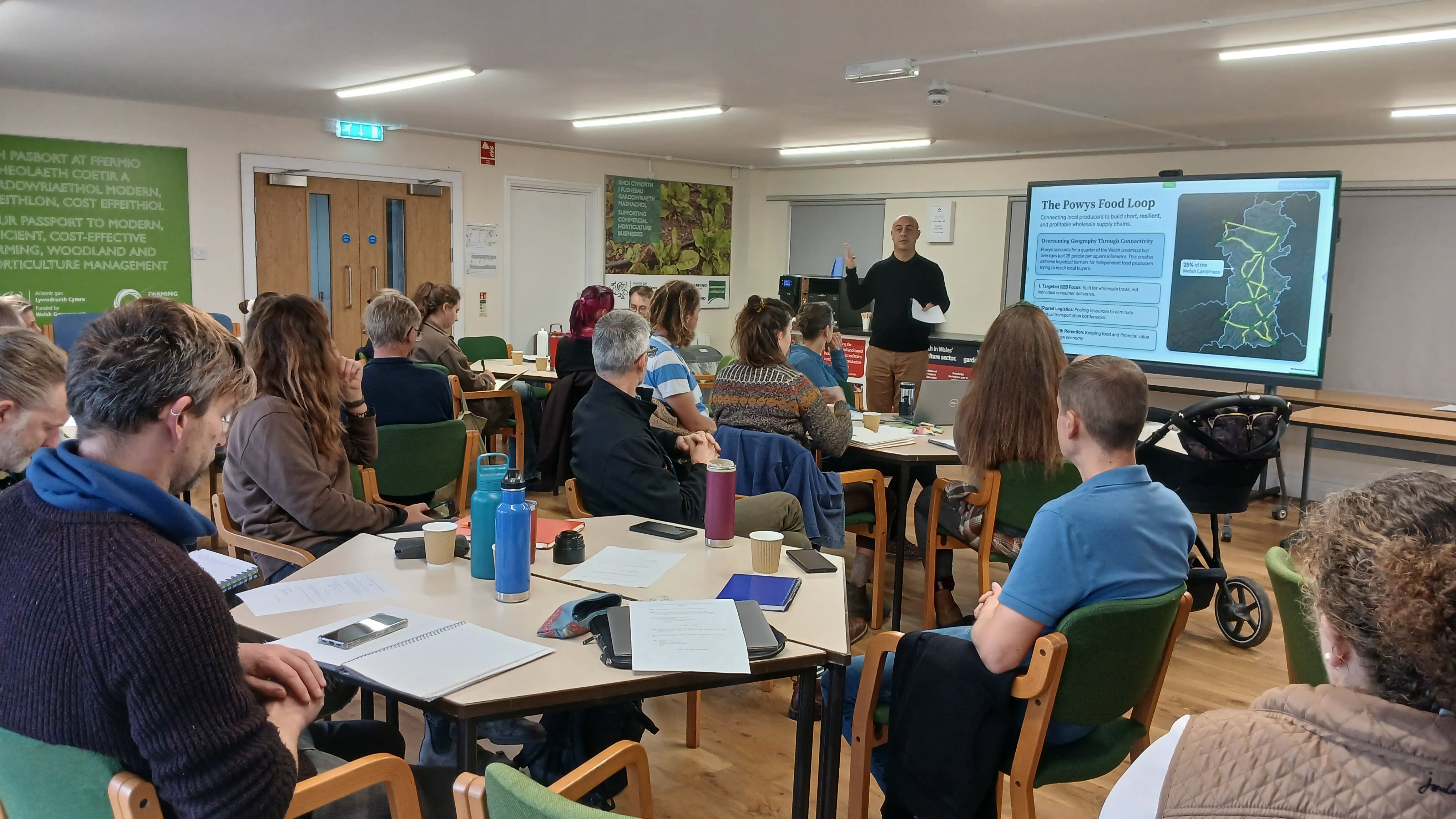
Eric Rosenzweig reflects on his time spent with the Procurement for Good team at the second in person annual meeting.
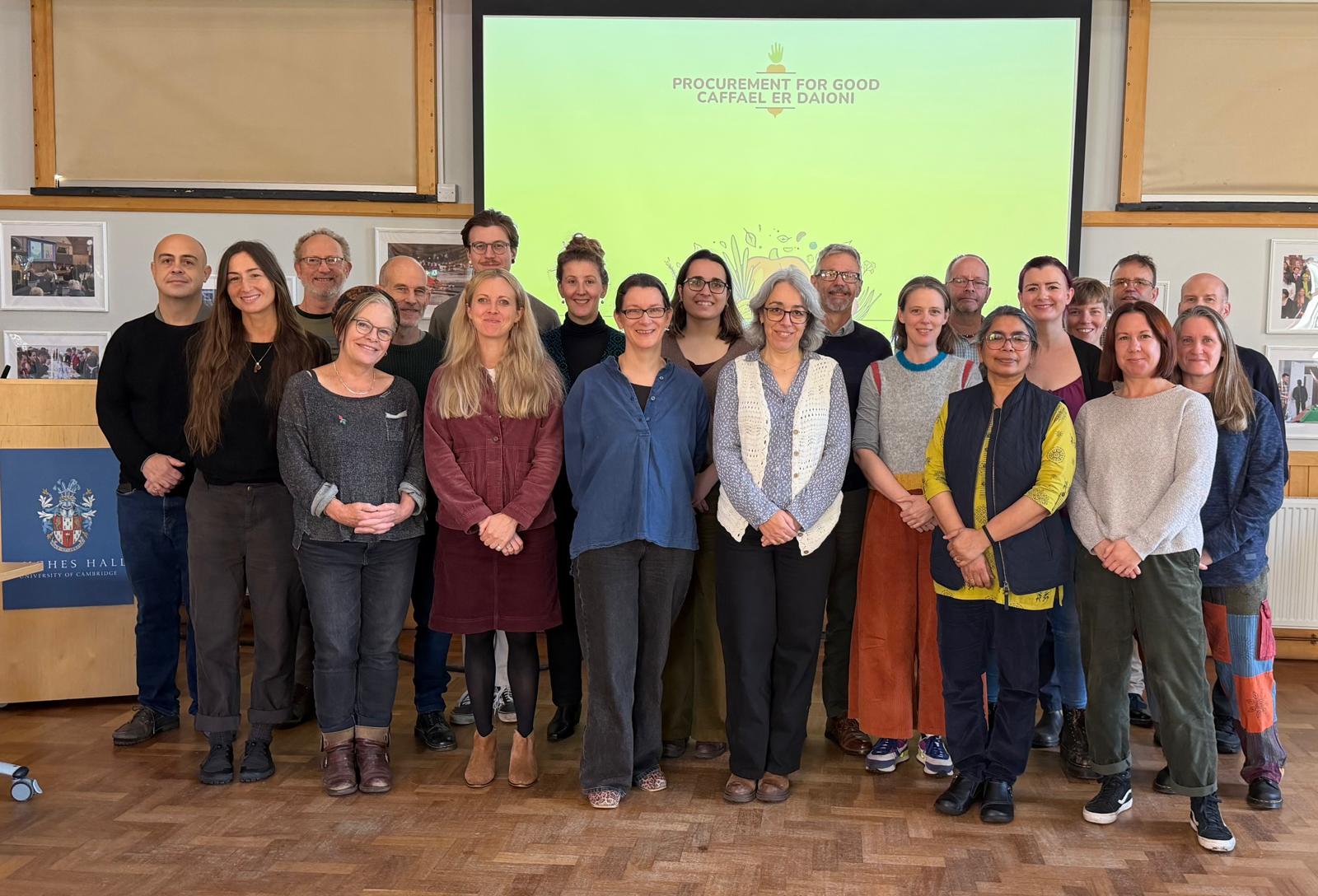
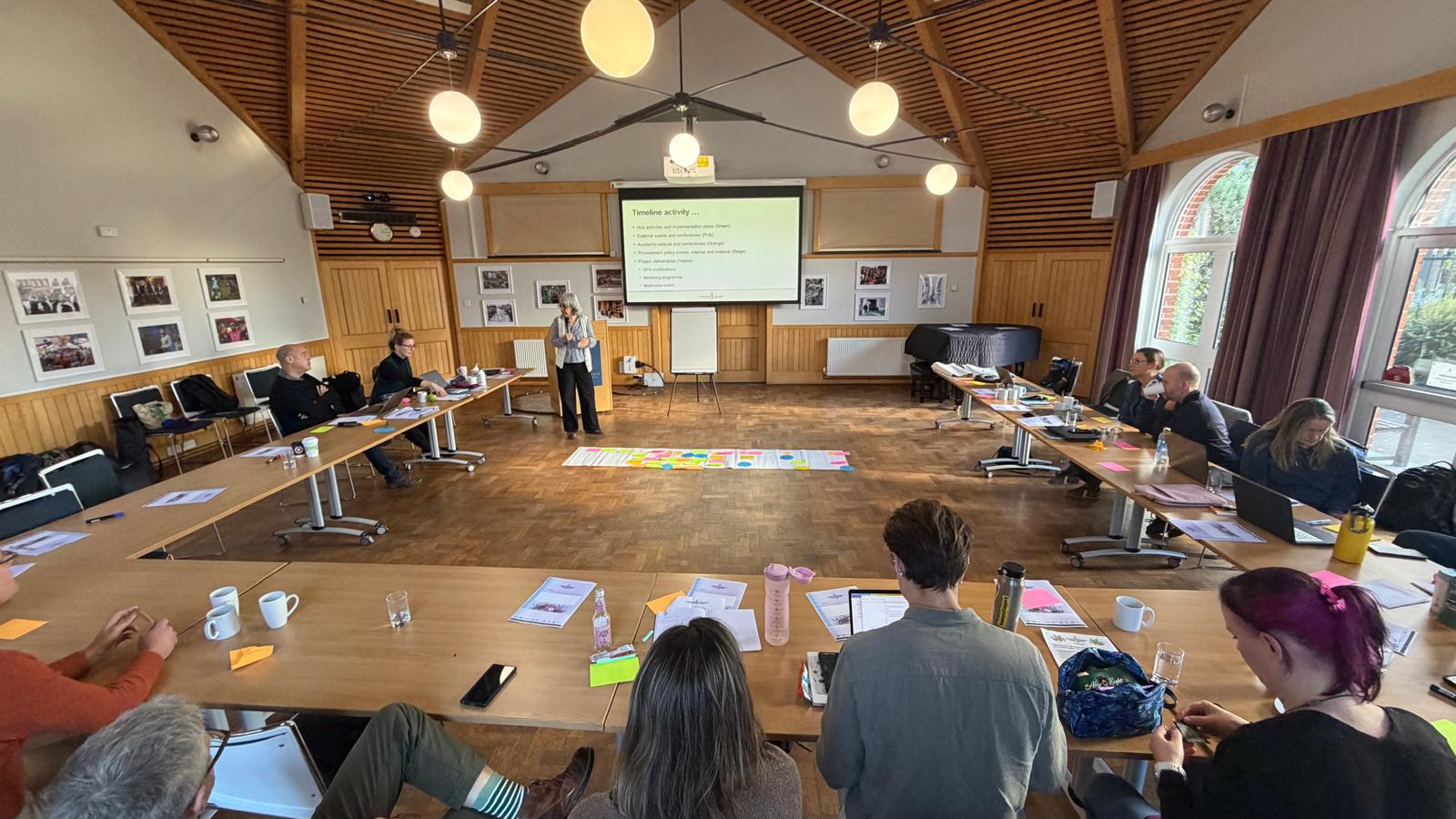
The 2026 Annual Project Meeting was my first, and my introduction to many of Procurement for Good’s wider project team. I started my PhD at CAWR in May, working under Lopa Saxena and Moya Kneafsey, studying sustainability, a just transition, and public food procurement. For me, attending the meeting was an opportunity to hear the voices of growers, food hubs, procurers, and researchers as they navigated their roles within the project and real world context—building the knowledge, relationships and systems needed to improve public food procurement in the UK.
For me, there were three main takeaways.
First, there is a real need for more procurers at the table. Growers and food hubs want to learn about potential opportunities to get their food on the public plate, and what they, as producers, could do to overcome existing barriers. Additionally, procurers have a lot to learn as well. There are many ways in which buyers are already empowered to spend the public coin locally, but many may not realise that it is possible.
Second, it did not take long for the group to conclude the importance of middlemen. Growers want someone to help broker and manage the contracts and relationships with procurers, while procurers are desperate for an “ethical wholesaler” of local produce at whom they can aim their tenders. Getting these middle brokers established, whether locally-minded distributors or scaled-up food hubs themselves, is key to overcoming the logistical challenges on both ends.
Third, one of the strongest conclusions from the meeting, coming after two days of comparing experiences between hubs and other advocates, was that there is no one-size-fits-all solution for getting local food in the hands of public caterers. In the few examples that can be studied, across Wales, Scotland, Northern Ireland, and Birmingham, there were few overlapping factors, other than the right people being at the right place at the right time.
In some, an ambitious public servant—a “disruptor”, or self-described “change maker”—used their role to buy in local produce in their capacity overseeing public health programmes. In others, especially in more rural areas like Scotland, local small-town relationships and proximity made buying local and organic more tenable than other options, alongside greater national-level emphasis on local procurement as a goal in its own right. This latter point is doubly true in Wales, which has a much stronger emphasis in procurement guidelines for investing in sustainable food systems. The fact that the four nations operate under different policy landscapes means that advice from one hub could never directly translate across the border.
However, even with this realisation, there’s reason to be optimistic. The good news is that over the last few years we’ve had successes getting local, organic produce into the public food supply chain. Furthermore, the food hubs working with PFG continue to scale up. There is a growing appetite, both socially and politically, for local, organic food. This is evidenced by the new government’s Organic Action Plan for England, which was announced the week before our meeting. As we realised at the conference, for those public servants interested in buying locally and responsibly, there already is legal precedent; now all we need are more change-makers and supply.