Reviewing a recent contract between Birmingham Public Health and Cultivate
According to Our Food Trust, horticulture makes up just 0.2% of land in Wales. Growers who want to scale up need confidence that the demand is there, and public buyers who want local veg need suppliers they can rely on. A recent contract between Birmingham’s Public Health team and a group of Welsh growers, via Cultivate food hub is testing whether a small, flexible arrangement can bridge that gap.
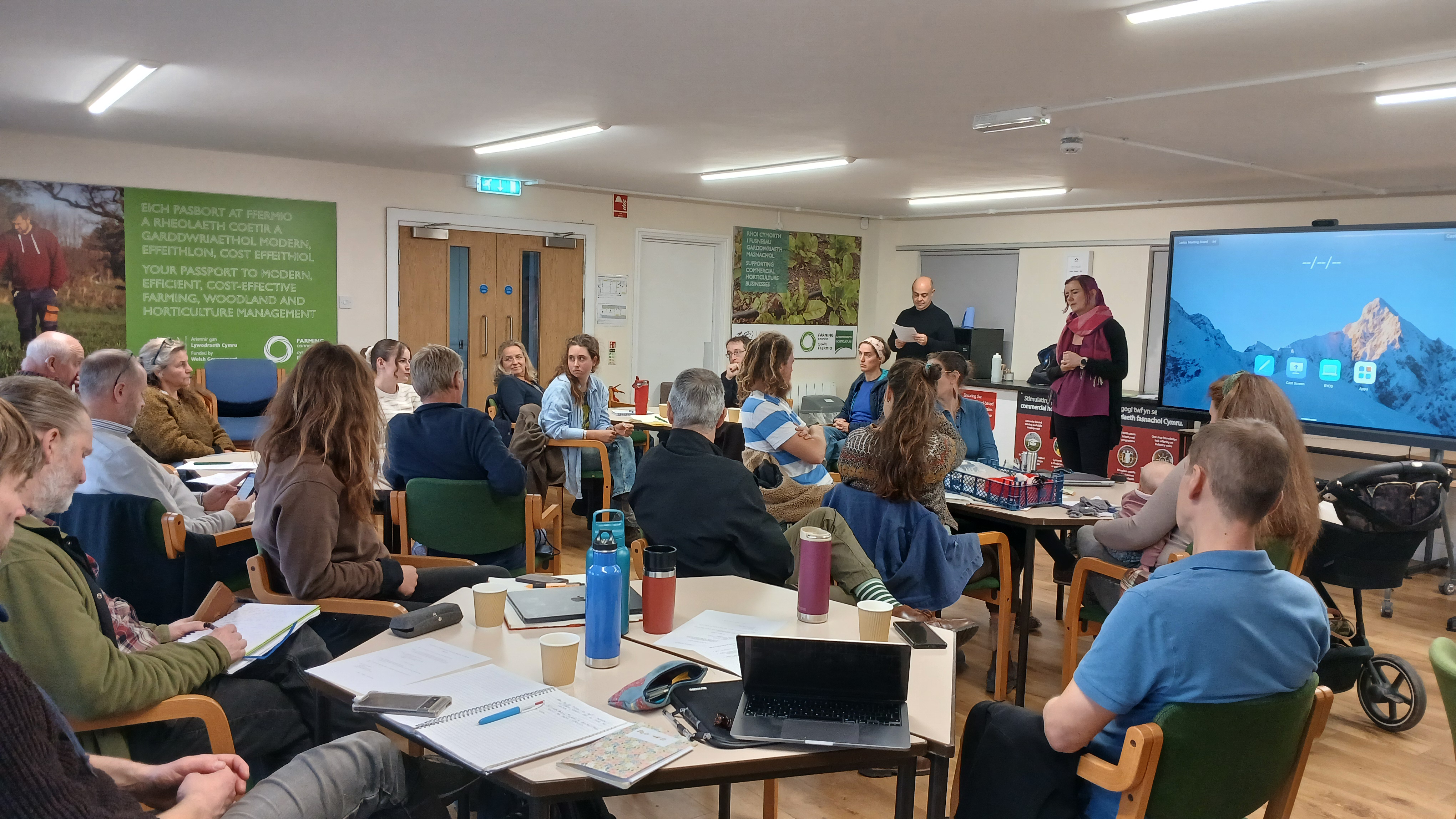
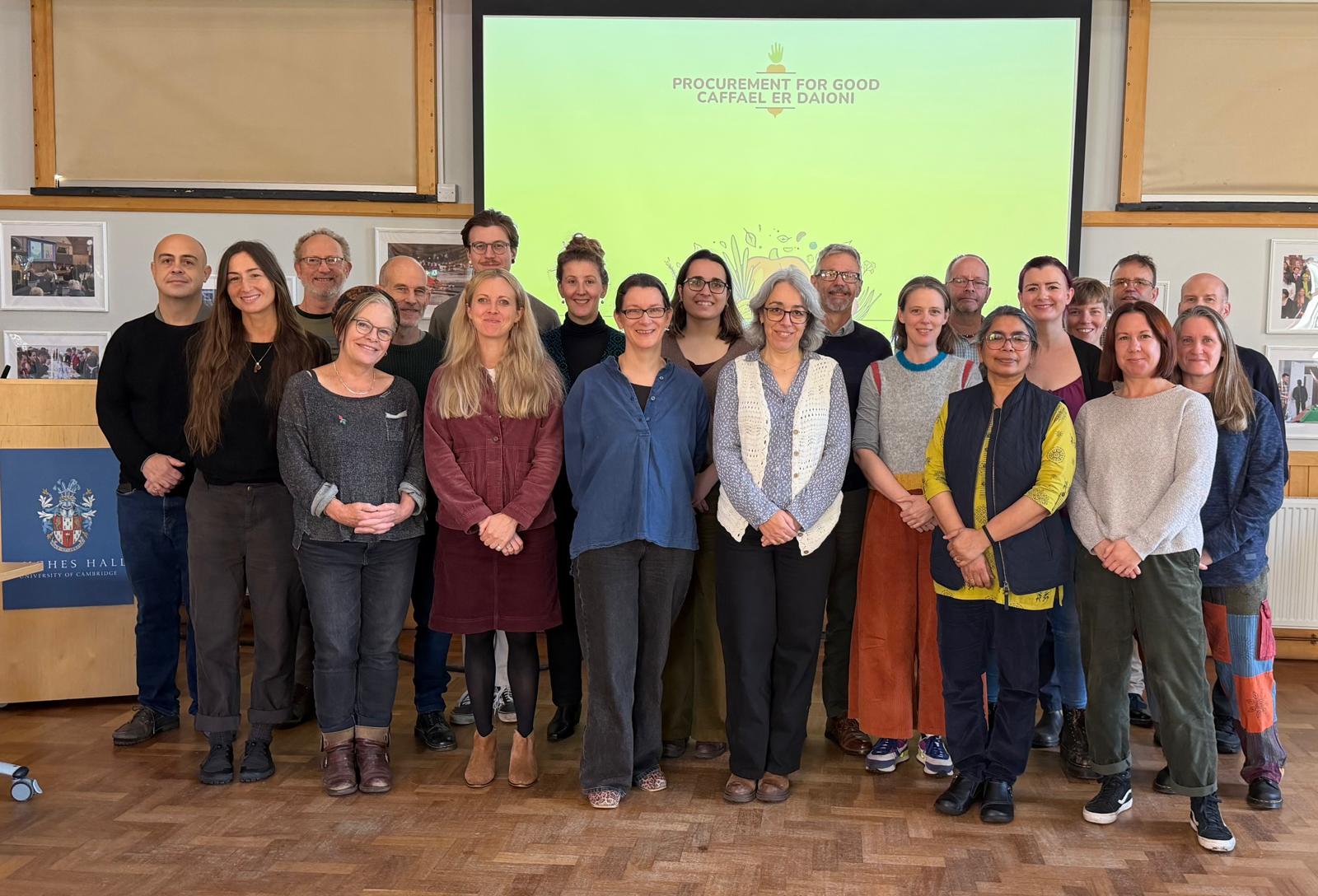
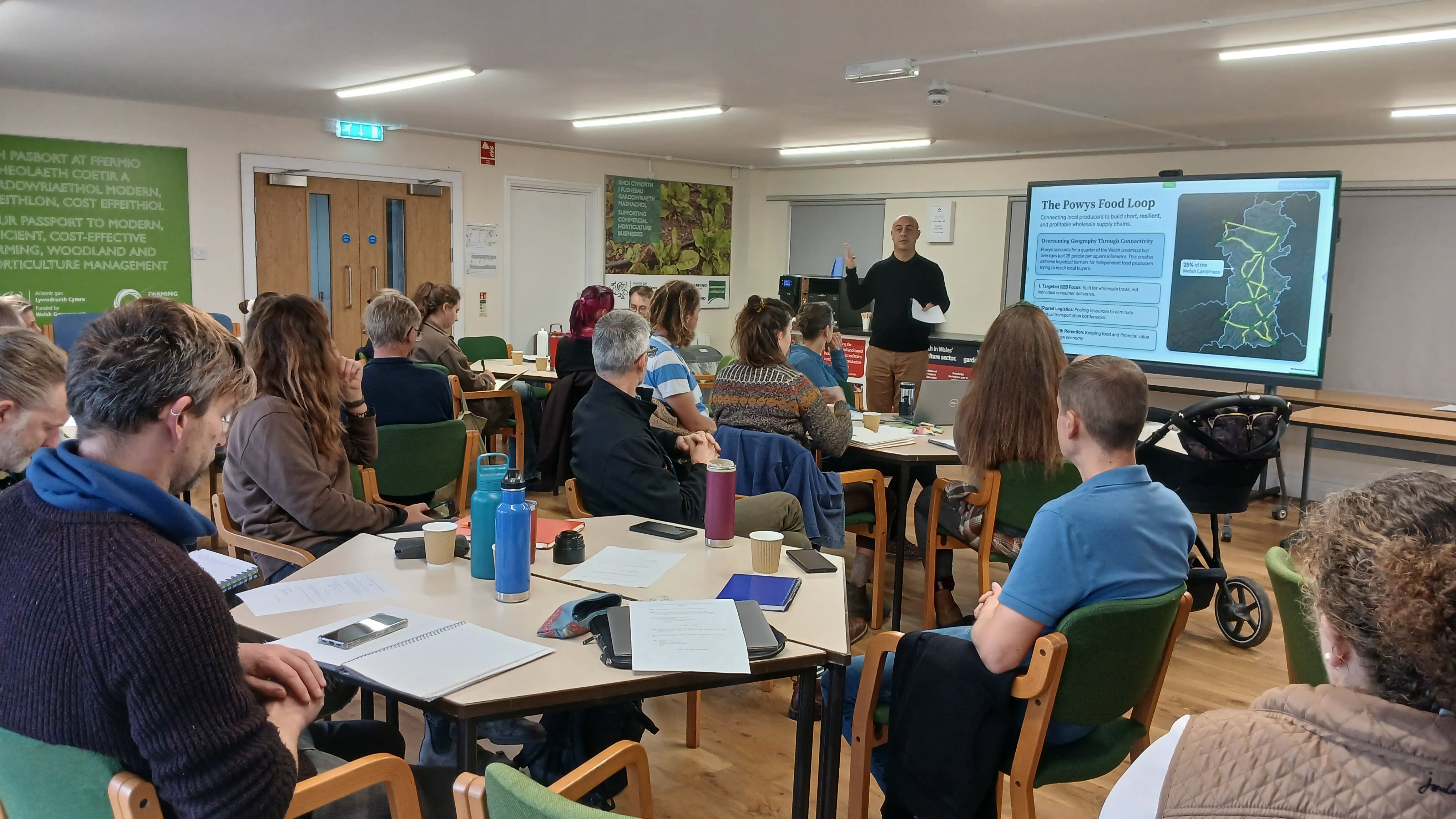
On 15th October, Lantra, Procurement for Good and Cultivate brought the people involved together to review the first year and possibly plan the next.
The pilot so far
Richard from Cultivate outlined the proposition. A pilot, covering three seasons of supply: summer 2026, Christmas 2026 and Easter 2027 for the Holiday Activities and Food (HAF) programme. A second phase has already identified further crops, including carrots, cauliflower and celery. The idea is that a hub can take on some of the risk and the paperwork, setting standards and simplifying things so the load comes off the grower.
Sarah Newton, Food System Lead at Birmingham City Council said the small scale has been a useful starting point because it keeps everyone adaptable. The aim is to work out standards and processes that other councils could adopt, perhaps as a blueprint. In her words, they are “procuring system change”: vegetables are part of it, but so are innovation, the stories behind food, and middle-chain actors. Small, innovative contracts help de-risk the bigger ones. The budget continues next year with a modest scale-up, and the team is looking at frozen food infrastructure and capacity for field-scale supply.
What growers told us
Tilly and Lydia from Wern Farm (part of a scheme to support young growers and the horticultural industry in Wales) , in their first year growing on the site, said they enjoyed the experience. They valued the direct communication and flexibility, and seeing the other end of the supply chain. Knowing the food goes to disadvantaged people mattered to them, as ethics and values play a large part in why they take part. They were also candid about the difficulties. Setting prices in advance was hard, especially with this year’s weather. They suggested a different contract structure: a base payment for committing to plant and harvest, with the crops paid on top.
Planning for next summer
In the afternoon, growers reviewed prices and quantities for summer 2026, with room to adjust them. There is a budget within the pilot for summer, and the Small Growers Standards give everyone a common baseline that can also link to the crop trial.
If numbers are confirmed by December 2026, growers can crop plan around them.
Open questions remain. How do you build a model where growers support each other, rather than the first through the door getting the contract? Does Cultivate have the capacity to be the middle-chain actor between growers and Birmingham? Sarah would also value more information on each crop, such as transport, challenges and how easy it is to grow. Ideas included a seasonal WhatsApp group to trial communication before committing to monthly meetings.
For more insight on horticulture in Wales check out the recent report 'Growing Cymru - Baseline Evidence for Scaling Edible Horticulture and Strengthening Supply Chains in Wales' by Dr Amber Wheeler, produced by Lantra: https://lantra.co.uk/wp-content/uploads/2026/10/Growing-Cymru-Report.pdf