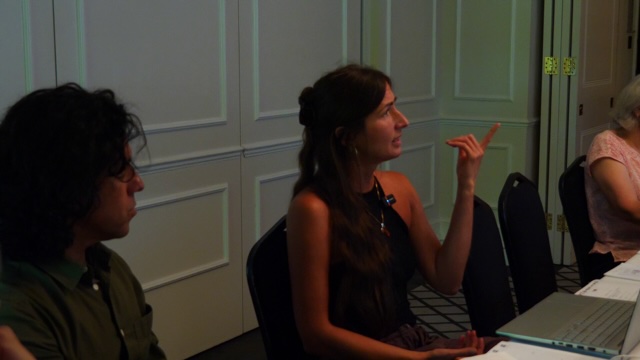
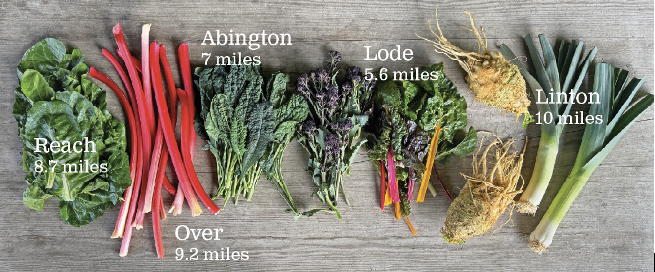
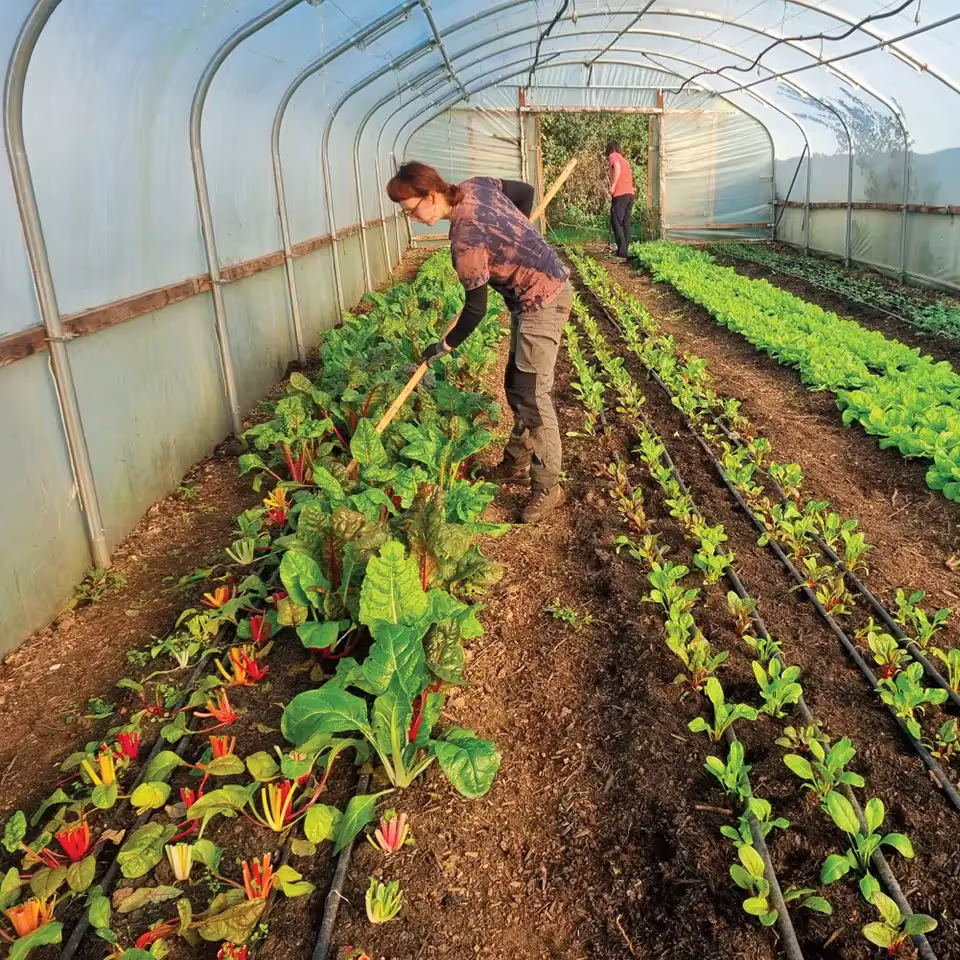
Meeting with growers at Cultivate food hub, discussing crops for schools
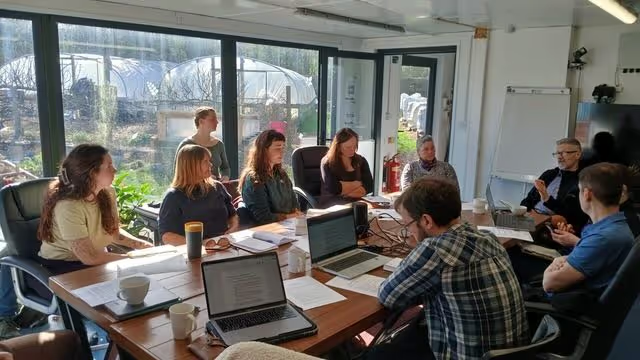
In mid-March, Procurement for Good (PFG) visited Cultivate in Mid Wales—one of four UK hubs exploring how public procurement can better connect with local food producers.
Bringing together growers, coordinators and partners including Lantra, the session offered a clear-eyed look at a simple questionwith a complicated answer: What does it actually take to get local food into public plates—at scale?
A key focus was designing crop trials for Welsh veg in schools. But rather than abstract planning, the discussion quickly grounded itself in reality.
- What crops will schools actually use?
- Can they be grown reliably across the season?
- And how do you balance consistency with the unpredictability of farming?
Take lettuce. Schools need something that lasts—something that won’t arrive wilted after a few days. Growers pointed to hardy varieties like cerbiatta as a potential fit. But even then, questions followed: wholehead or loose leaf? Field-grown or tunnels? Spring crops or winter supply? Garden Organic, the crop trials lead on this project were learning and sharing research in the session, which typified and embraced their principles around citizen-led science.
Across every conversation, one theme kept resurfacing: viability. Margins are tight. Admin is heavy. And too often, growers are expected to absorb the risk in systems that don’t fully account for their realities. As one participant put it: “None of us get paid what we need to be. We all need dignity in our work.”
If public procurement is to play a role in transforming the food system, it has to deliver on that—creating stable, fair routes to market that genuinely work for producers. What emerged from the day at Cultivate wasn’t a neat solution—but something more valuable: a shared understanding of the challenges, and a commitment to working through them collectively.
For Procurement for Good, that’s the point. Connecting local food to public plates isn’t just a technical challenge. It’s about aligning systems with the people who make them possible—starting with growers, and building outwards from there. Because if it doesn’t work on the ground, it doesn’t work at all.